What Emergency Roof Tarping Is
Emergency roof tarping is a specific, temporary measure with a specific purpose, and understanding what it is explains when you need it. It is the immediate response to a damaged roof letting water in. Here is what emergency roof tarping is for a Worthington commercial building.
A Temporary Cover for Damage
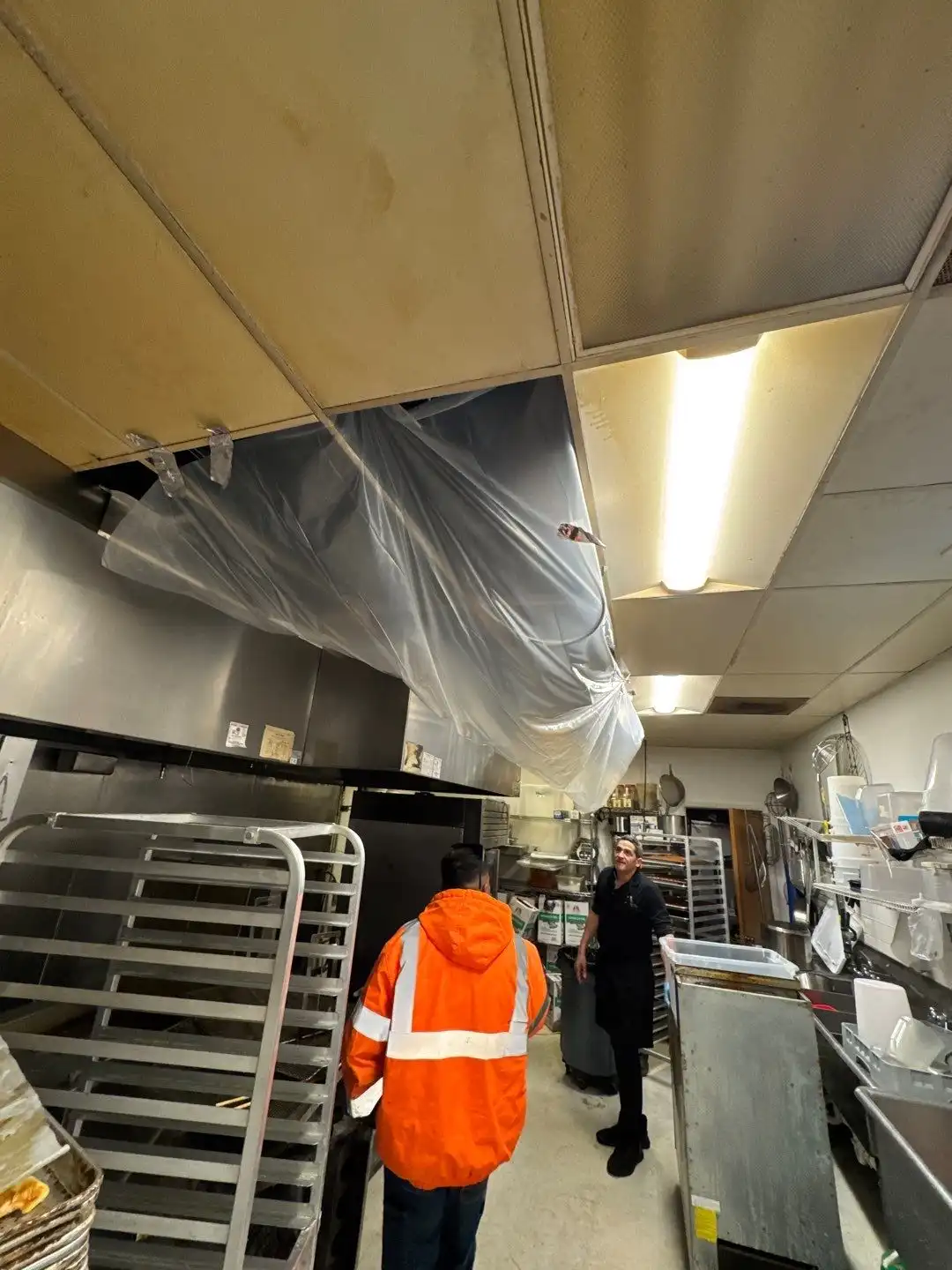
Emergency tarping is a temporary cover for roof damage, placing a tarp or covering over the damaged area to stop water from entering until a permanent repair can be made. It is a stopgap, not a fix, meant to protect the building in the interim. For a Worthington building, a temporary cover for damage is what tarping provides, since it stops the water now while the repair is arranged. The cover holds the water out. This temporary cover for damage is the essence of emergency tarping, since placing a tarp over the damaged area stops water from entering until a permanent repair can be made, serving as the stopgap that protects the building in the interim between the damage and the repair on the commercial building.
When It Is Needed
Tarping is needed when a roof is damaged and water is getting in but a permanent repair cannot happen immediately, whether because of weather, scheduling, the extent of the damage, or the insurance process. The gap before the repair is when tarping protects the building. For a Worthington building, understanding when tarping is needed clarifies its role, since it fills the gap before permanent repair. The need arises in that gap. This understanding of when it is needed clarifies tarping's role, since a roof that is damaged and letting water in but cannot be permanently repaired immediately, whether due to weather, scheduling, the damage extent, or the insurance process, leaves a gap that tarping fills to protect the building on the commercial building.
An Immediate Response
Emergency tarping is an immediate response to active water intrusion, addressing the urgent problem of water entering the building right away rather than waiting for the full repair. Speed is the point, since water does damage as long as it comes in. For a Worthington building, tarping as an immediate response is its purpose, since the water needs to be stopped now. The response is fast by design. This being an immediate response is central to emergency tarping, since addressing the urgent problem of water entering the building right away, rather than waiting for the full repair, is the point, making speed essential because water does damage for as long as it continues to come in on the commercial building.
Covering Various Kinds of Damage
Tarping can cover various kinds of damage, from storm torn membrane to wind damage to holes and breaches that let water in. Whatever opened the roof, tarping covers it to stop the water. For a Worthington building, tarping covering various kinds of damage shows its versatility, since many kinds of damage create the same urgent need. The cover addresses the opening. This covering of various kinds of damage shows tarping's versatility, since it can cover storm torn membrane, wind damage, holes, and breaches that let water in, addressing whatever opened the roof to stop the water, since many different kinds of damage create the same urgent need for emergency cover on the commercial building.
Not a Permanent Repair
It is important to understand that tarping is a temporary measure that buys time rather than a permanent repair, and the roof still needs to be properly repaired afterward. The tarp protects the building in the interim but does not resolve the damage. For a Worthington building, understanding that tarping is not a permanent repair sets the right expectation, since the permanent fix still has to happen. The tarp is a stopgap. This being not a permanent repair is essential to understand about tarping, since it is a temporary measure that buys time, protecting the building in the interim while the roof still needs to be properly repaired afterward, making the tarp a stopgap rather than the resolution of the damage on the commercial building.
A Protective Stopgap
In short, emergency tarping is a protective stopgap, a fast, temporary cover that stops water intrusion and protects the building during the gap before permanent repair. Its value is in that protection during a vulnerable time. For a Worthington building, tarping as a protective stopgap captures what it is, since it protects the building until the repair. Worthington Commercial Roofing provides that protective stopgap fast. This being a protective stopgap captures what emergency tarping is, since a fast, temporary cover that stops water intrusion and protects the building during the gap before permanent repair provides exactly the protection a building needs during the vulnerable time between roof damage and its repair on the commercial building.
Understanding Emergency Tarping
Emergency tarping is a temporary cover for roof damage, an immediate response to active water intrusion that covers various kinds of damage, needed when a roof cannot be permanently repaired right away. It is a protective stopgap, not a permanent repair, on a Worthington commercial building.
Get Emergency Cover for Your Roof
Is water coming in through your damaged roof? Call Worthington Commercial Roofing at (765) 676-3491 for fast emergency tarping on your Worthington commercial building. We respond fast to cover the damage and stop the water, protecting your building during the gap before a permanent repair can be made.